How to Choose the Best Commercial Peanut Butter Machine for Your Business?
Choosing the right commercial peanut butter machine is crucial for any food business. The global nut butter market was valued at $3.3 billion in 2021 and is projected to grow at a significant rate. This means that having the right equipment can set your business apart in a competitive industry.
Many businesses overlook the importance of selecting high-quality machines. A good commercial peanut butter machine not only affects production efficiency but also influences the final product's quality. It must meet specific standards, ensuring optimal butter texture and flavor. Reports show that consumer preferences are shifting towards natural and organic products, making quality even more essential.
Investing in the proper technology is vital. The best machines should offer versatility, durability, and ease of maintenance. However, many entrepreneurs might make compromises on these points due to budget constraints. Reflecting on past experiences helps to avoid costly mistakes in the future. Balancing quality and cost is both an art and a science in selecting a commercial peanut butter machine.
Understanding Different Types of Commercial Peanut Butter Machines
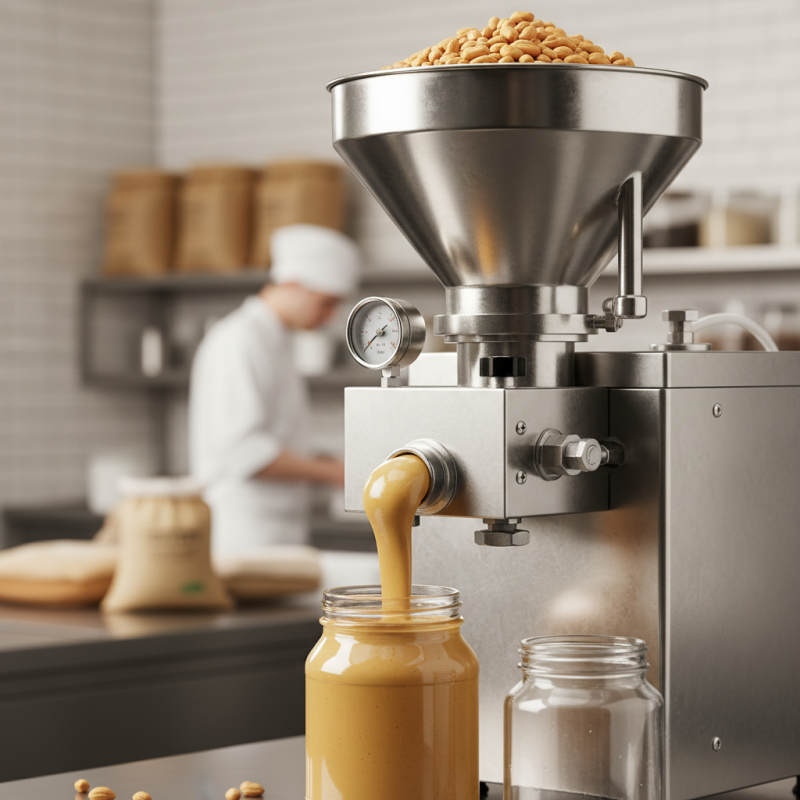
When selecting a commercial peanut butter machine, understanding the types available is crucial. There are primarily two kinds: grinder-based machines and batch processors. Grinder-based machines provide a fine texture and are ideal for producing smooth peanut butter. They operate at high speeds and can handle large volumes. According to a 2022 industry report, grinder machines can process up to 500 pounds of peanuts per hour. This efficiency is appealing for businesses with high demand.
On the other hand, batch processors allow for greater flexibility. They can mix different flavors and ingredients, appealing to niche markets. However, they typically have slower output rates, averaging around 100 pounds per hour. Some businesses report inconsistencies in quality when using these machines, particularly with chunky varieties.
Another factor to consider is the energy consumption of these machines. Energy-efficient models are increasingly favored as sustainability becomes a priority. A study noted that energy-efficient machines can reduce operational costs by up to 30%. Ultimately, the choice hinges on your business’s output needs and product focus. Finding the right balance might take time and reflection.
How to Choose the Best Commercial Peanut Butter Machine for Your Business?
| Machine Type |
Processing Capacity (kg/hour) |
Power (kW) |
Material |
Price Range |
| Commercial Peanut Butter Grinder |
50-300 |
3-15 |
Stainless Steel |
$1,000 - $5,000 |
| Batch Peanut Butter Machine |
20-100 |
2-7.5 |
Aluminum & Stainless |
$800 - $3,000 |
| Continuous Peanut Butter Production Line |
300-1000 |
15-75 |
Stainless Steel |
$10,000 - $50,000 |
| Peanut Butter Filling Machine |
50-200 |
2-5 |
Stainless Steel & Plastic |
$500 - $2,500 |
Evaluating Production Capacity and Efficiency for Your Business Needs
When selecting a commercial peanut butter machine,
production capacity and efficiency are crucial. You need to assess how much peanut butter your business will produce.
Machines vary significantly in output. Some produce just a few pounds per hour, while others can handle thousands.
Understanding your requirements helps narrow down your choices.
Consider the type of operation you run. Is it a small artisanal shop or a larger manufacturing facility?
A machine suitable for a small business may lack the speed for high-volume production. If you expect your business to grow,
investing in a higher-capacity machine may offer better long-term value. Efficiency also matters.
Machines that require less time for setup and cleaning save precious hours.
Reflect on your current processes. If your production line is slow and cumbersome,
upgrading could enhance workflow. However, new machines can have a learning curve. Training staff may take time and effort.
It’s crucial to balance capacity with usability. Not every powerful machine
will suit your needs. Think about your specific production goals and challenges before making a decision.
Key Features to Look for in a Quality Peanut Butter Machine
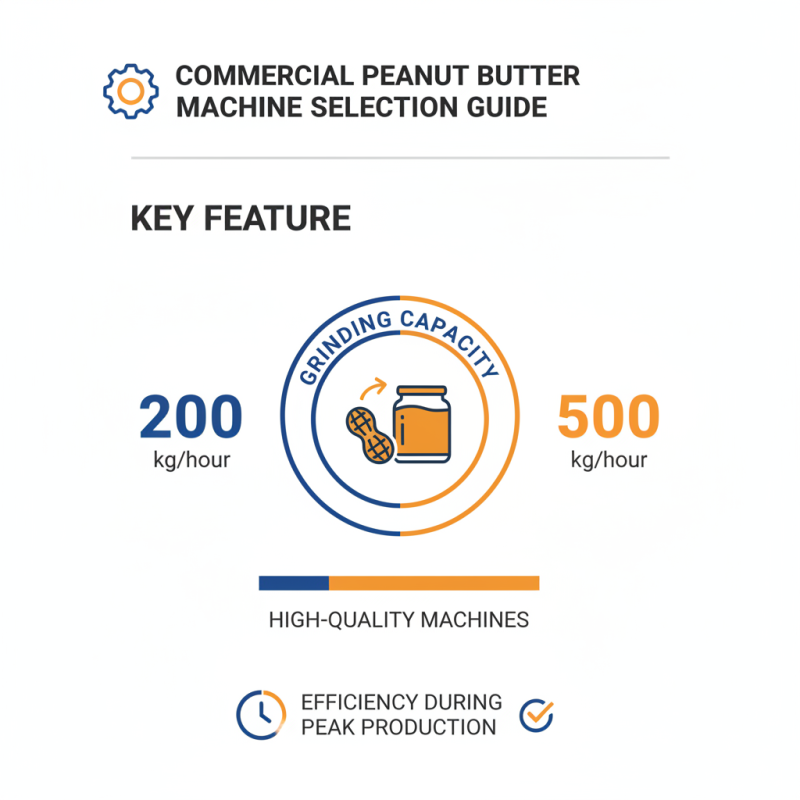
When selecting a commercial peanut butter machine, key features can greatly influence your choice. Start by considering the machine's grinding capacity. Reports suggest that high-quality machines can process between 200 to 500 kg of peanuts per hour. This capacity ensures efficiency, especially during peak production.
Another essential feature is the grinding mechanism. Machines with stone grinders typically yield a smoother product. In contrast, steel grinders might produce a coarser texture. Some users report that their steel grinders wear out faster, affecting longevity. It's a point worth pondering for future maintenance costs.
Temperature control is also critical. Machines that maintain consistent temperatures help preserve the flavor and nutritional value of the peanut butter. A temperature range of around 60-80°C is ideal. However, many machines struggle to maintain this range, leading to product variations. This inconsistency might impact your brand reputation. Careful consideration of these details ensures that you invest wisely in a peanut butter machine suitable for your business's needs.
Analyzing Cost-Effectiveness and Return on Investment Metrics
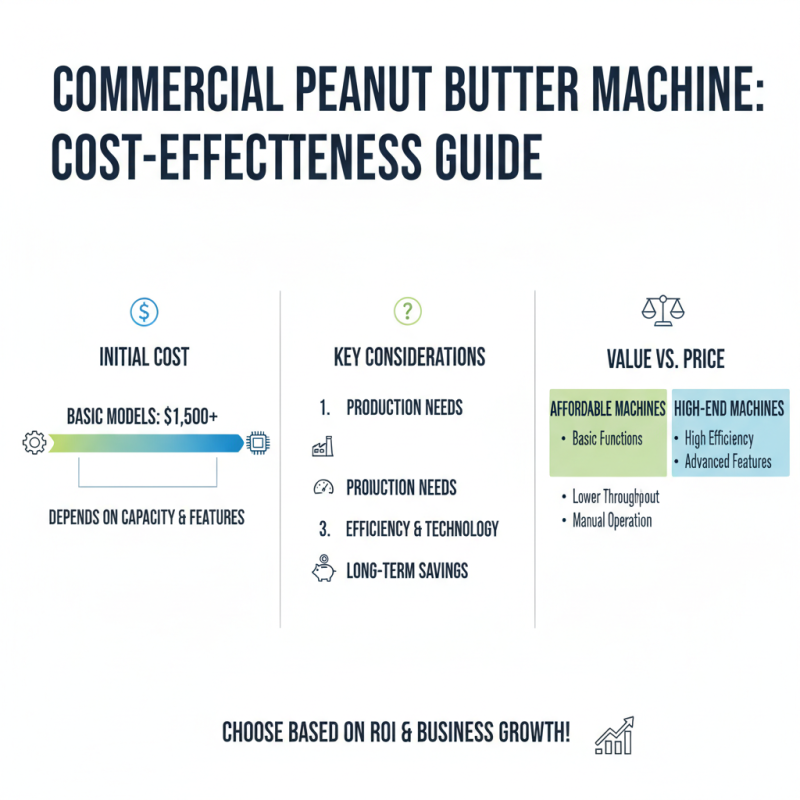
When investing in a commercial peanut butter machine, cost-effectiveness is vital. The initial cost of these machines varies widely. Many options range from $1,500 to over $25,000, depending on capacity and features. It’s crucial to evaluate your production needs against these costs. Affordable machines offer basic functions, while higher-priced ones provide more efficiency and advanced technology.
Return on Investment (ROI) metrics are essential for assessing long-term viability. According to industry reports, a well-chosen peanut butter machine can yield up to a 30% increase in production efficiency. This translates to significant savings in labor and operational costs. However, high investment machines may take longer to recoup their costs. A detailed financial analysis should project how increased output impacts your bottom line.
Additionally, maintenance costs can vary. Some machines require regular servicing that can add up. Companies in the industry often report that neglecting maintenance reduces machine lifespan by 20%. Be prepared for these potential pitfalls when analyzing costs. A balance between upfront investment and operational efficiency is critical. It often dictates business sustainability in a competitive market.
Assessing Brand Reputation and Customer Support in Equipment Selection
When selecting a commercial peanut butter machine, assessing brand reputation is crucial. A study by the Food Processing Association found that 70% of businesses prioritize reliability. A well-known brand often signifies quality and consistent performance. However, smaller manufacturers can also offer excellent machines with great reviews. It’s essential to dig deeper into customer experiences beyond marketing claims.
Customer support should not be overlooked. Quick response times and helpful service representatives can save your business downtime. Research from the Equipment Manufacturers Association shows that 50% of equipment failures stem from operator error, often exacerbated by inadequate training or support. Machines with solid warranties and accessible customer service are vital for operations.
It's worth noting that various user reviews often reveal patterns of issues with certain models. Some users report difficulty in cleaning or maintenance. This can lead to production delays and increased costs. Potential buyers should evaluate the experiences of others carefully to avoid common pitfalls. Balancing brand reputation and customer support can significantly impact the success of your peanut butter business.
Comparison of Different Commercial Peanut Butter Machines