How to Choose the Best Fruit Sorting Machine for Your Business?
In today’s competitive market, choosing the right fruit sorting machine is crucial for business efficiency. The global fruit sorting market is projected to grow significantly, reaching over $1 billion by 2026. This growth is driven by increasing demand for high-quality fresh produce. Automated sorting machines enhance productivity and reduce labor costs.
Fruits are perishable goods that require careful handling. Accurate sorting ensures only the best products reach consumers. This improves brand reputation and encourages customer loyalty. According to a recent report, businesses using advanced sorting technology experience a 20% increase in sales. Yet, without proper research, companies may invest in suboptimal machines that fail to meet their needs.
Consider both capacity and technology when selecting a fruit sorting machine. While many models offer similar features, variations in software and sorting algorithms can impact efficiency. It's essential to assess your specific needs. An ill-informed choice can lead to operational setbacks. Hence, a thorough understanding of available options is necessary for long-term success.
Factors to Consider When Selecting a Fruit Sorting Machine
When selecting a fruit sorting machine, several factors demand your attention. The machine's capacity is critical. Consider how many fruits you need to process daily. Balance efficiency with quality. A high-capacity machine might seem appealing, but it must maintain sorting accuracy. Too much speed can lead to damaged fruits.
Another key factor is the type of sorting technology used. Optical sorting is popular for its precision. Yet, simpler mechanical systems might suffice for less delicate fruits. Examine the maintenance needs as well. A machine requiring frequent servicing can disrupt operations.
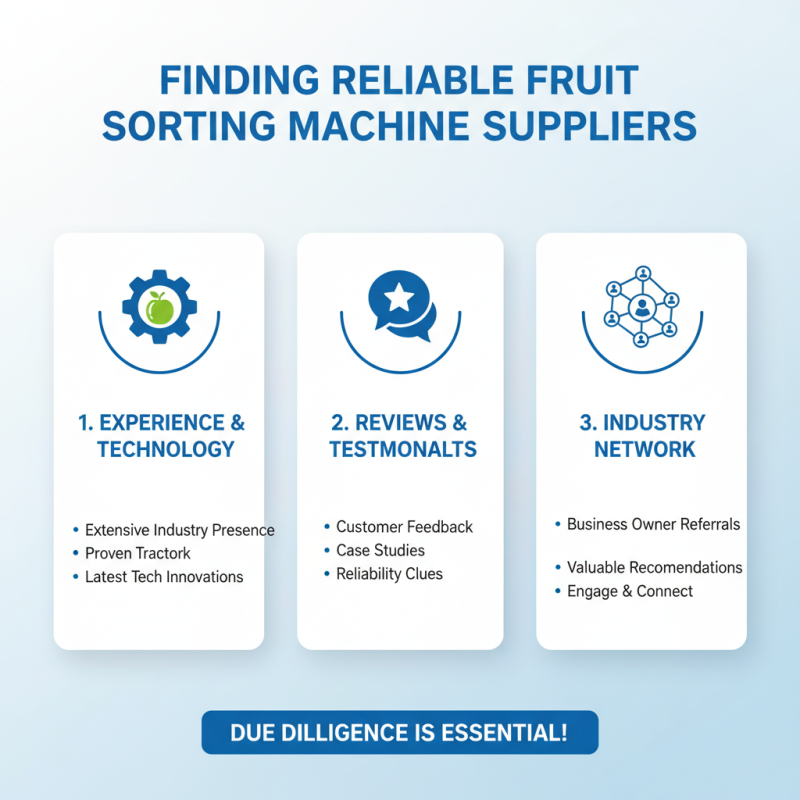
Finally, consider the machine's size and layout. Ensure it fits your workspace. An oversized machine can cause workflow issues. Engage with existing users to understand their experiences. Their insights can reveal hidden strengths or weaknesses in the machines you’re considering. This peer feedback is invaluable.
Fruit Sorting Machine Features Comparison
Types of Fruit Sorting Machines and Their Applications
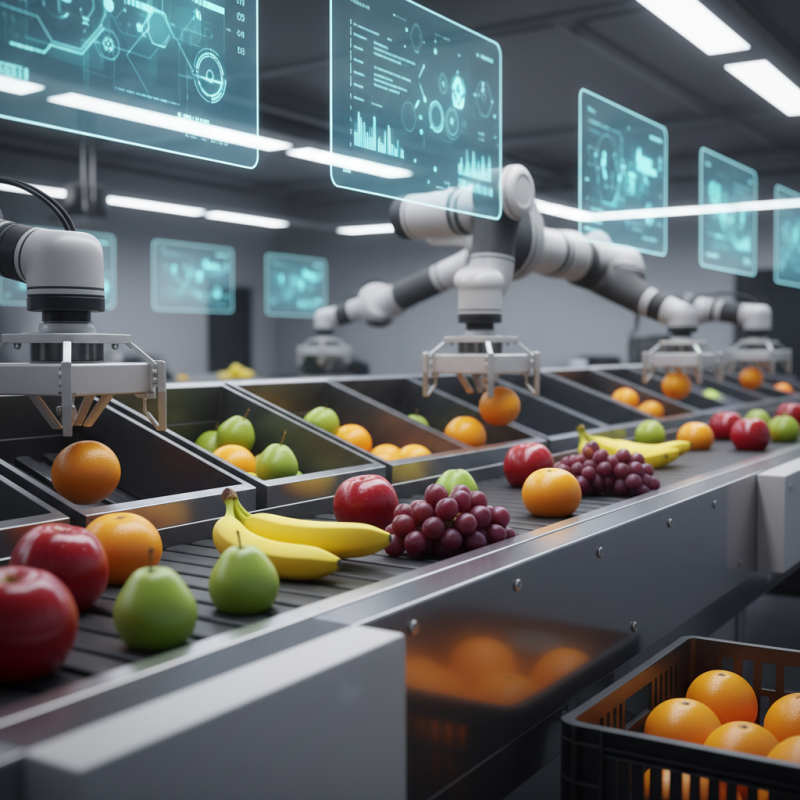
When selecting a fruit sorting machine, it’s essential to understand the types available and their applications. There are mainly three types: optical sorters, mechanical sorters, and weight sorters. Optical sorting machines use cameras and sensors to identify and sort fruit based on size, color, and defects. Reports indicate that these machines can improve efficiency by over 25%, helping to minimize labor costs and waste.
Mechanical sorters utilize conveyor systems for sorting based on size and shape. They are often employed in large-scale operations. However, they may struggle with irregular shapes and require constant maintenance. Weight sorters measure the weight of fruit, allowing for careful segmentation. According to industry data, integrating weight-based sorting can enhance accuracy by 15%, particularly for batches with varied sizes.
Despite their advantages, each machine has limitations. Optical sorters require high initial investments and specialized training. Mechanical sorters may lead to damaged fruit if not calibrated correctly. Weight sorters might not be suitable for all fruit types. Evaluating these factors can guide businesses to make informed choices. It's crucial to align the sorting technology with the specific needs and complexities of the operation.
How to Choose the Best Fruit Sorting Machine for Your Business?
| Type of Fruit Sorting Machine |
Description |
Key Features |
Best Suitable For |
| Optical Sorting Machine |
Uses cameras and sensors to detect size, color, and defects. |
High precision, speed, automated sorting. |
Berries, apples, oranges. |
| Mechanical Sorting Machine |
Utilizes mechanical systems for physical sorting of fruits. |
Robust design, lower cost, manual oversight required. |
Larger fruits like melons and pumpkins. |
| Weight-based Sorting Machine |
Sorts fruits based on their weight. |
Accurate weight measurement, easy to use. |
Citrus fruits, grapes. |
| Color Sorting Machine |
Sorts fruits based on their color hues. |
High efficiency, suitable for mixed quality fruits. |
Cherries, strawberries, ripe bananas. |
Key Features to Look for in a Fruit Sorting Machine
When selecting a fruit sorting machine, consider key features that enhance efficiency. A reliable machine should have advanced optical sorting technology. This allows for accurate identification of size, color, and defects. According to a 2022 industry report, optical sorters can boost sorting efficiency by up to 30%.
Another critical aspect is the machine's versatility. It should handle various fruit types and sizes without extensive recalibration. Automated adjustments for different fruits can save time and labor costs. Look for models with simple interfaces that enable quick setup changeovers. Data suggests that user-friendly machines reduce operator errors by 25%.
Tip: Invest in machines with real-time data analysis capabilities. This will allow for tracking fruit quality and overall performance. Keeping maintenance records can also help in identifying patterns of wear and tear, leading to improved uptime.
Keep an eye on machine capacity relative to your production volume. Choosing a machine that’s too small can hinder operations. An overly large machine may lead to waste. Ultimately, the best fruit sorting machine will balance performance with your specific business needs.
Budgeting for a Fruit Sorting Machine: Costs and ROI
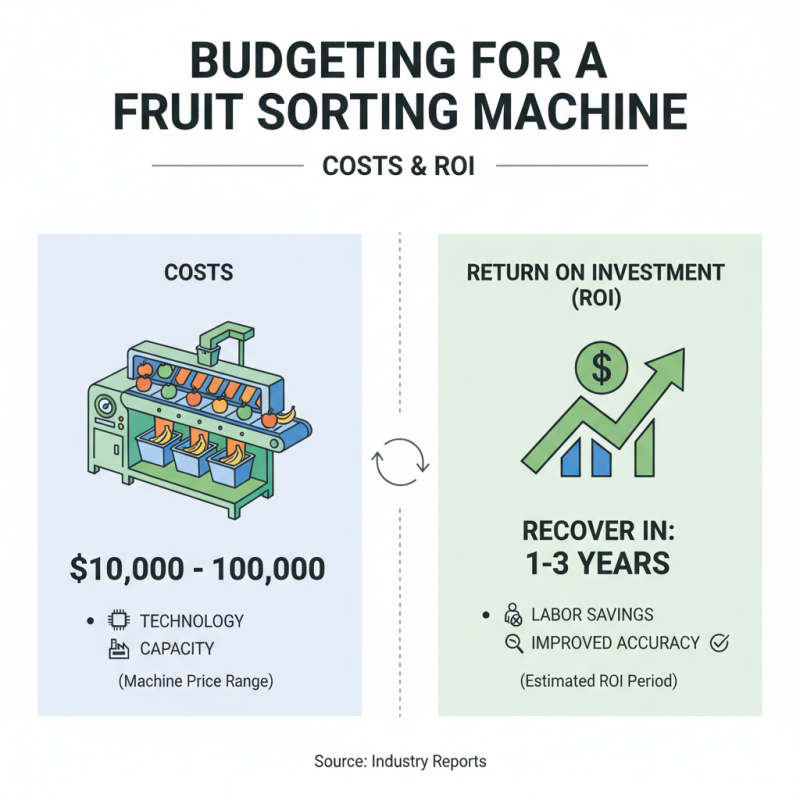
When budgeting for a fruit sorting machine, understanding costs and expected returns is crucial. A quality sorter can range from $10,000 to $100,000. The price varies based on technology and capacity. According to industry reports, the initial investment can recover within 1 to 3 years. Factors like labor savings and improved sorting accuracy contribute to the ROI.
Regular maintenance adds another layer to costs. Scheduled servicing can be estimated at 5-10% of the machine's cost annually. Additionally, the cost of downtime during maintenance can impact overall efficiency. Companies often overlook the hidden costs. Underestimating these factors can lead to budget overruns and operational delays.
As you evaluate options, consider data from market research. Recent surveys show that over 70% of businesses expect significant productivity boosts from automated systems. However, companies must align their purchasing decisions with specific needs. Each business is unique. Investing in a machine that doesn't suit your operation can lead to wasted resources.