How to Choose the Best Chips Machine for Your Needs?
Choosing the right chips machine can feel overwhelming. Many options exist, each boasting unique features. Your decision largely hinges on specific needs and goals.
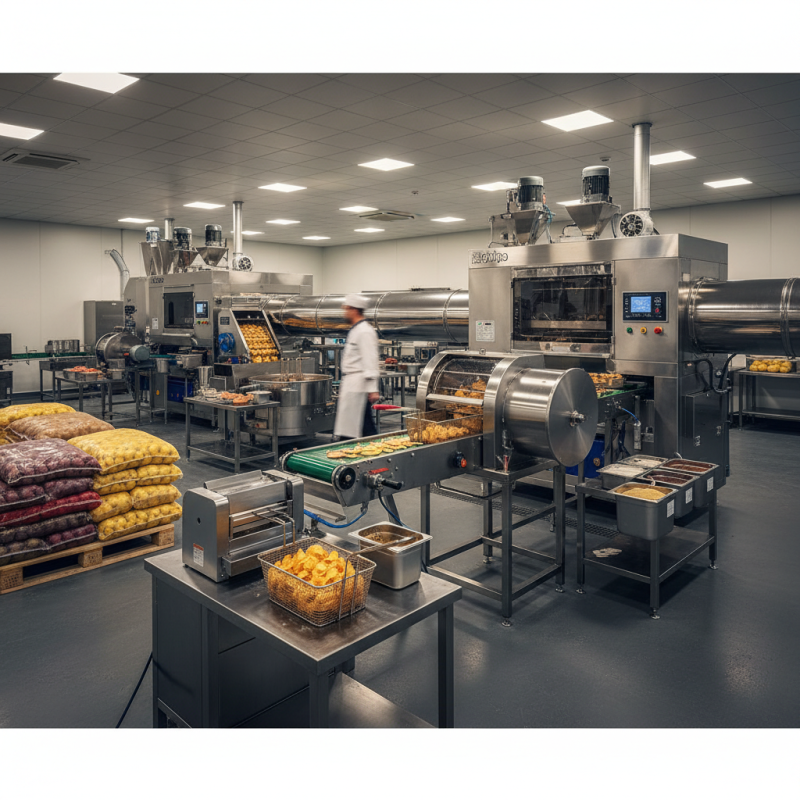
For instance, consider the volume of chips you wish to produce daily. A larger machine may suit a busy establishment, while a compact model might fit a small café. Additionally, think about the types of chips you want to create. Some machines offer versatility, handling different materials and flavors.
It's also essential to reflect on maintenance and durability. A more affordable chips machine may save costs initially but could lead to higher repair bills later. Balancing quality and price is crucial but challenging. By weighing these factors, you can better navigate your choices and find the ideal solution for your needs.
Types of Chips Machines Available in the Market
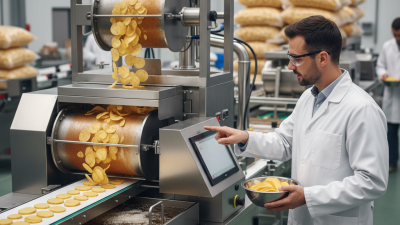
When selecting a chips machine, understanding the types available is crucial. The market offers various models tailored to different needs. Some machines focus on potato chips, while others specialize in tortilla or vegetable chips. Each type has unique features. For instance, frying machines use hot oil, providing a traditional flavor. In contrast, air fryers utilize hot air for a healthier option.
According to industry reports, the global potato chips market reached approximately $38 billion in 2022. The demand for healthier snacks drove the popularity of air-fried chips. This shift shows consumers are more health-conscious. However, many machines still rely on traditional frying methods, which may not meet modern dietary preferences.
Some users struggle with machine capacity as well. Smaller machines serve limited batches, perfect for personal use but inadequate for larger gatherings. Moreover, the complexity of some machines can be overwhelming for beginners. It's important to weigh these factors against your production needs before purchasing. Understanding your specific requirements will help you invest wisely in the right chips machine.
Key Features to Consider When Choosing a Chips Machine
Choosing the right chips machine can be a daunting task. First, consider the type of chips you want. Are they thin, thick, or wave-cut? The design of the machine must accommodate your desired chip style. Some machines excel at making crispy chips, while others may produce softer ones. It’s crucial to define your needs clearly.
Next, think about the capacity of the machine. A small model may suffice for personal use, but larger operations require different specifications. Look for machines that offer adjustable settings. This feature can help you achieve your desired crispiness and flavor. Additionally, examine the energy efficiency of the machine. High power consumption can lead to higher operational costs.
Don't overlook maintenance. Machines that are easy to clean can save time and effort. While some models offer advanced features, they may also complicate maintenance. Assess if you’re willing to spend extra time on upkeep. Lastly, user reviews can provide insight into real-world performance. Be mindful of what others have experienced.
Comparison of Key Features in Different Types of Chips Machines
Assessing Your Production Needs and Capacity Requirements
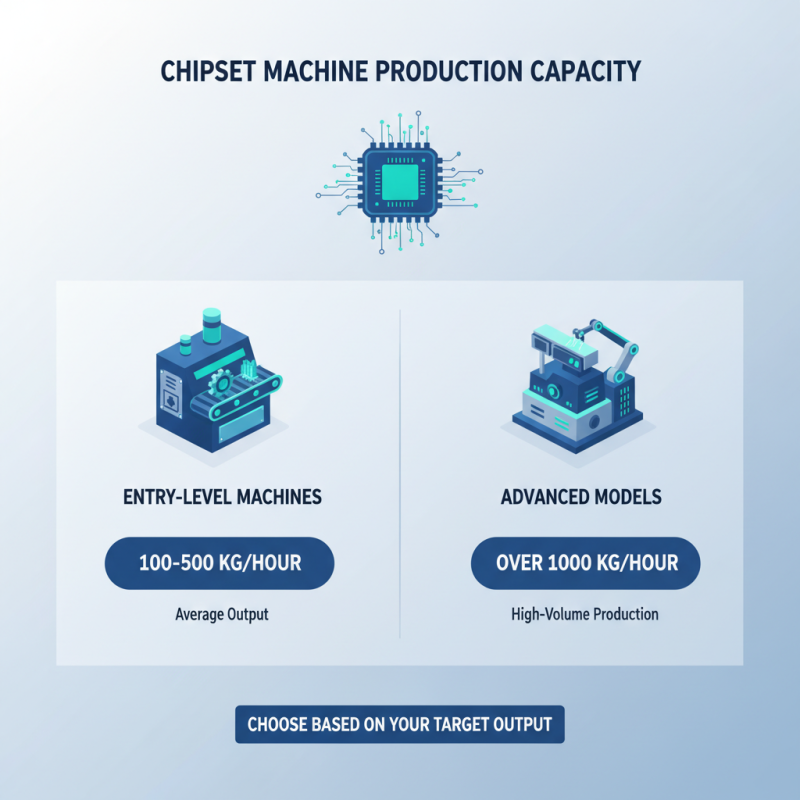
When assessing your production needs and capacity requirements for a chips machine, it's crucial to start with a clear understanding of your target output. According to industry reports, the average production capacity of entry-level machines ranges from 100 to 500 kg per hour. In comparison, advanced models can produce over 1,000 kg per hour. Identifying the volume you aim to achieve will guide your decision on the type of machine to invest in.
Next, consider the variety of chips you wish to produce. Specific machines cater to different types of chips, such as potato, corn, or even vegetable-based options. Quality reports show that 75% of consumers prefer unique flavors and textures. This trend indicates a need for versatile equipment that can handle various ingredients and preparation methods. However, investing in such machinery can raise initial costs, possibly straining your budget.
Another aspect to reflect on is the potential for machine downtime. Maintenance and repairs are unavoidable, and even the best machines can encounter issues. Research suggests that businesses should account for a 10-20% downtime in their production planning. A machine that perfectly fits your needs today might not hold up in the long term. As market demands fluctuate, it is crucial to remain adaptable. Understanding these elements ensures that your investment effectively meets your production goals.
Budgeting for Purchase and Maintenance of Chips Machines
When budgeting for a chips machine, consider the initial purchase cost. This can vary widely based on features and size. A basic model may fit a tight budget, but it could lack necessary functionalities. Think about the production capacity you need. A more expensive machine might save money over time with higher efficiency.
Maintenance costs are equally important. Regular upkeep can prevent larger issues later. Some machines may require specialized parts that are costly. Factor in these potential expenses when calculating your budget. It's wise to set aside a portion for unexpected repairs.
Don't forget to consider energy consumption. Some machines are built to be energy-efficient, while others may not. High energy usage can lead to steep operating costs. Evaluate the long-term energy savings versus the initial investment. Reflect on your specific needs and operational environment for better budgeting. Evaluate your choices carefully.
Comparing Brands and Reviews of Chips Machines for Quality
When choosing a chips machine, reviews are vital. They provide real insights from users. Look for feedback on durability, efficiency, and ease of use. Many consumers value machines that are straightforward to operate. They appreciate clear instructions and accessible maintenance.
Tips: Consider machines with detailed reviews. Notice the common praises and complaints. If many users mention difficulty with a feature, it might be a red flag.
Comparing brands is essential. Each brand has unique strengths and weaknesses. Some excel in producing crispy chips, while others focus on speed. Check user ratings and compare them side by side. Pay attention to long-term reliability mentioned in reviews.
Tips: A good machine should match your needs. Do you prioritize flavor, speed, or versatility? Reflect on what you want most. Reading multiple reviews can help you see a clearer picture.